Your helmet traps sweat, oil and bacteria against your skin for hours. FreshLid deep cleans, sanitises and dries it in about eight minutes. No water, no mess, no taking it apart.

Hours of sweat, breath and heat soak straight into the foam. It never fully dries, and almost nobody cleans the part that sits against their face.
Dirtier than a public toilet seatIn one study, used motorcycle helmets carried more bacteria than public toilets. East African Medical Journal, 2014
Body heat and sweat, sealed against bare skin for the whole ride. Perfect conditions for bacteria.
The liner soaks up sweat and oil deep down, then never properly dries out between rides.
Water wrecks the safety foam, so most lids never get cleaned, and it all just builds up.
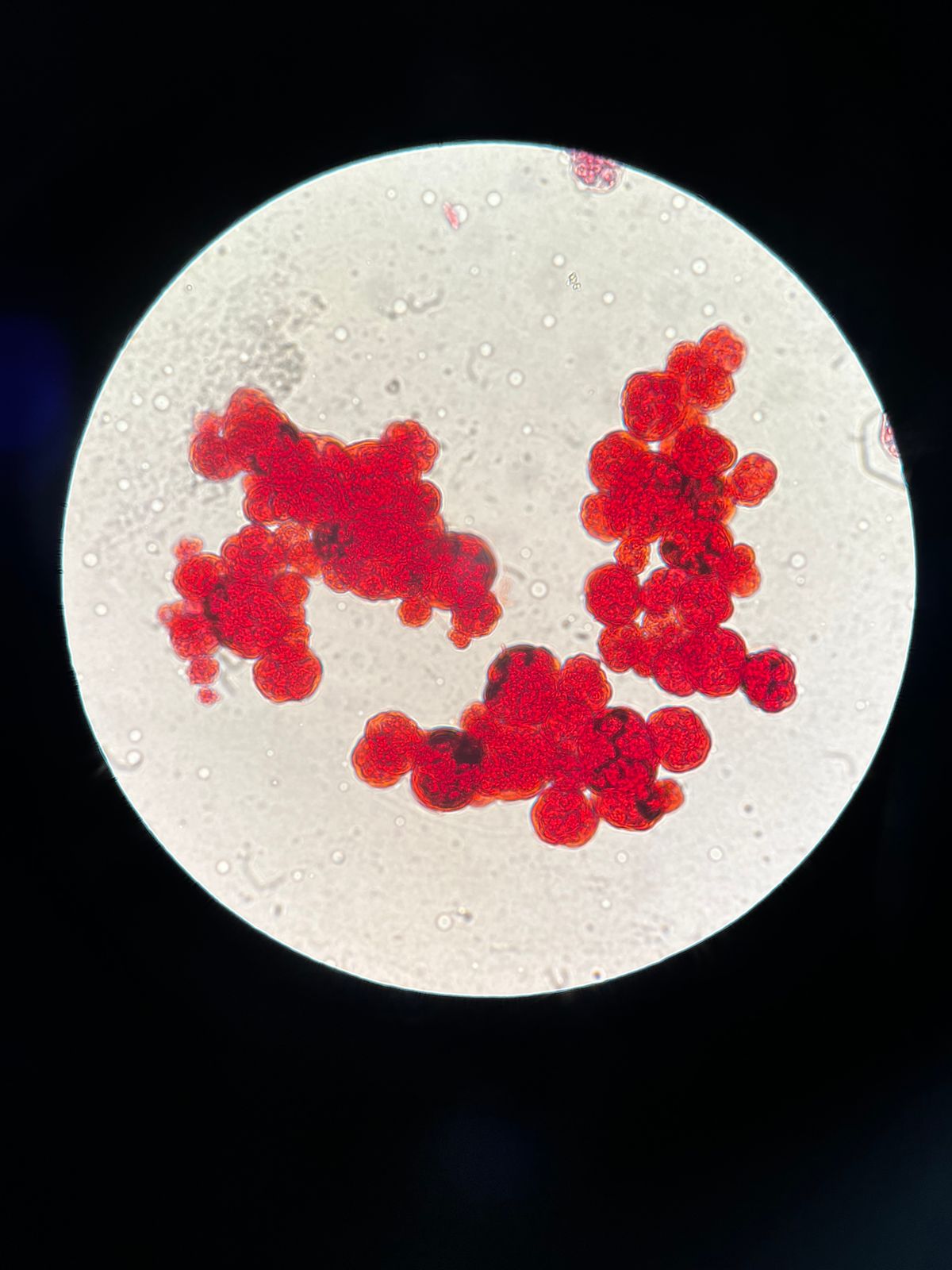
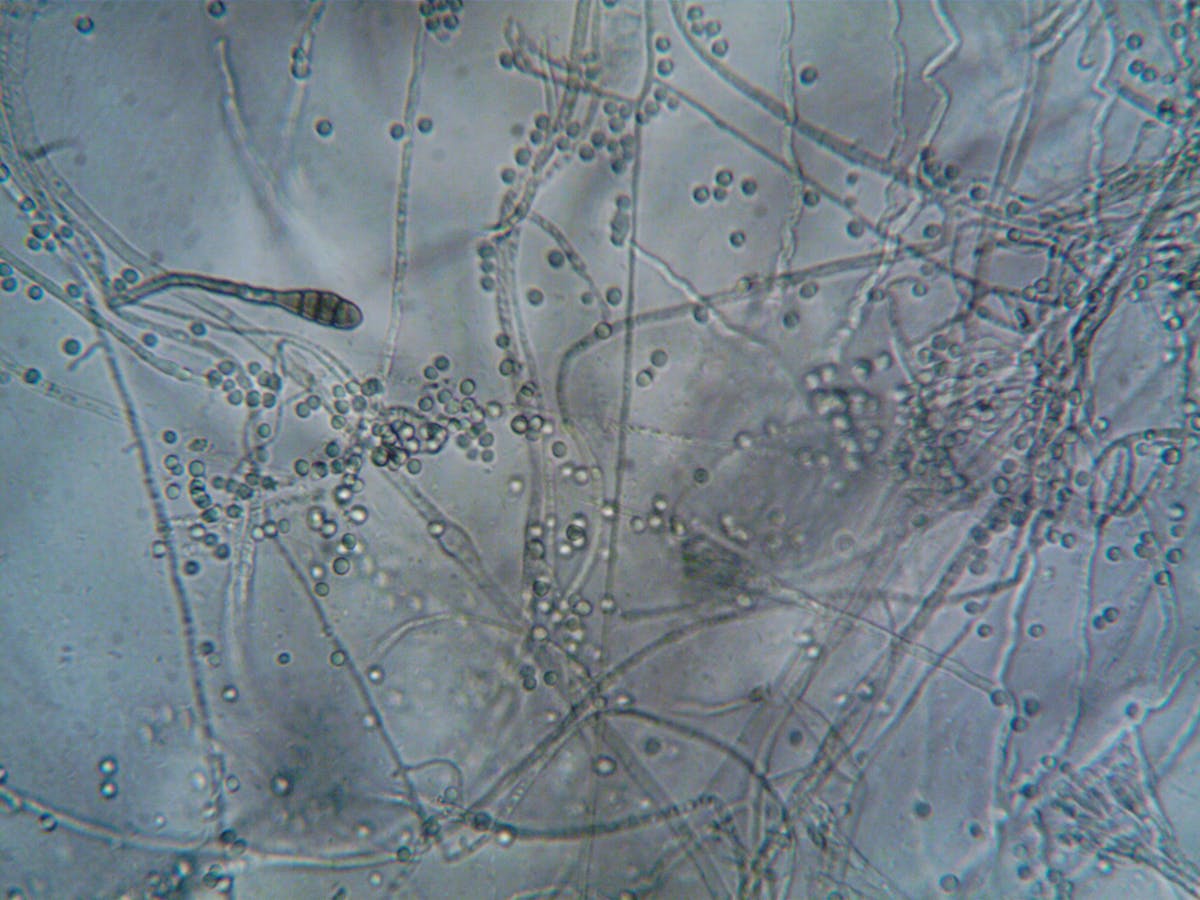
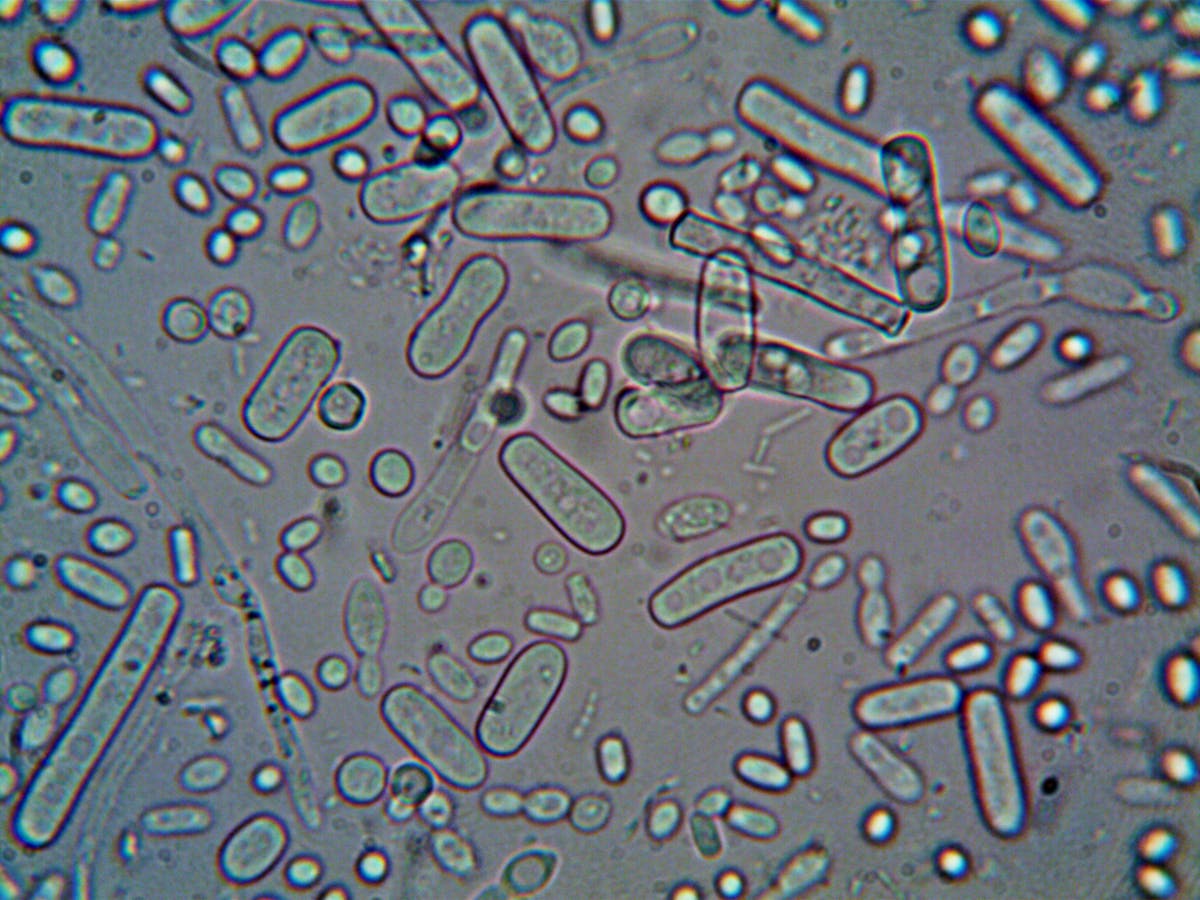
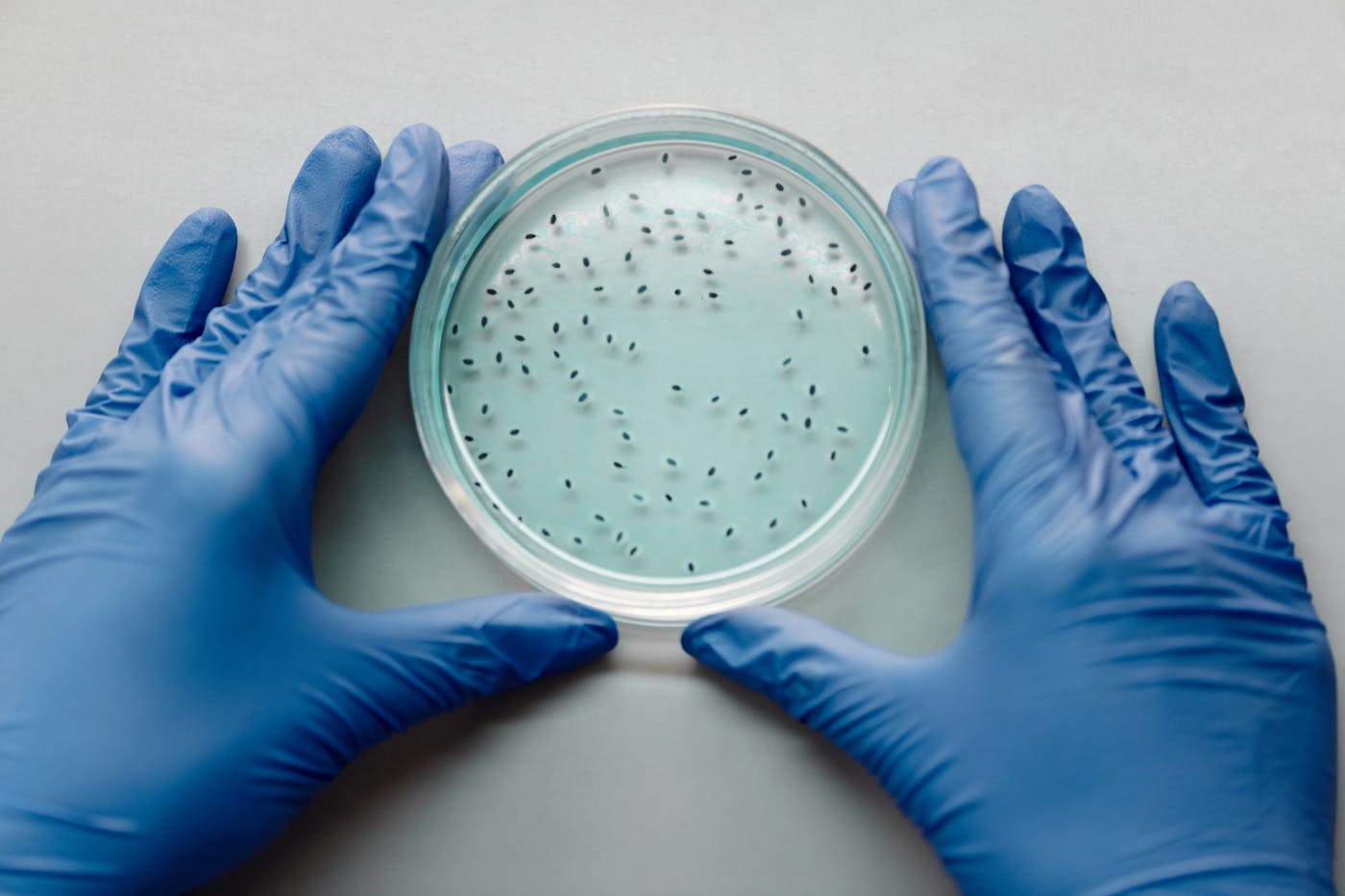
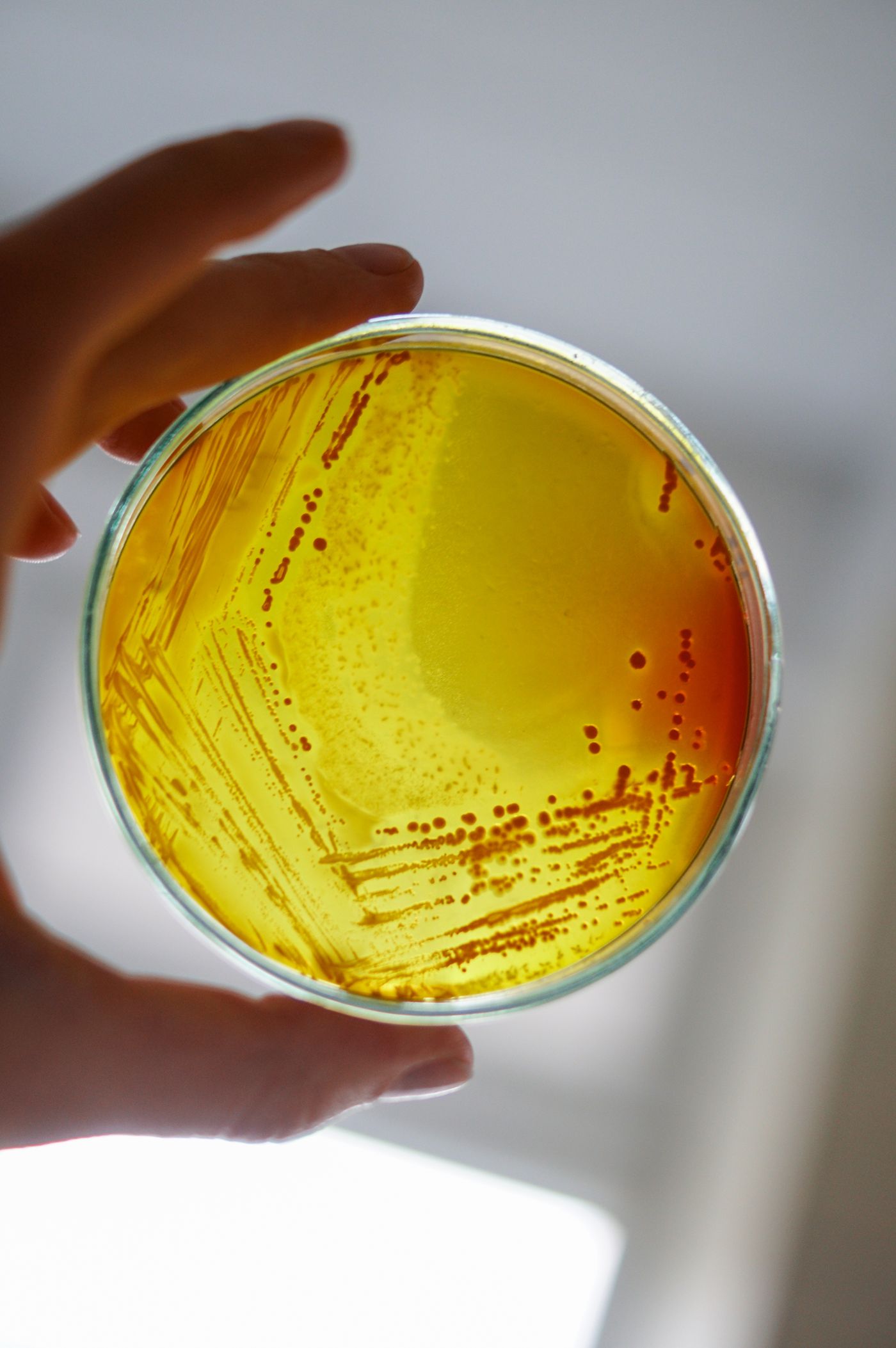
In 2020, scientists swabbed 130 motorcycle helmets. Here is what was living on them, and what it does to your skin and hair.

Gets into hair follicles and tiny grazes and causes folliculitis: itchy, pus topped pimples on your scalp, forehead and cheeks, and sometimes painful boils.

Loves a warm, damp, covered ear. The classic cause of otomycosis, a fungal ear infection: deep itching, blocked hearing and weepy discharge.

A gut bug that should never be on your face. Its presence is a hygiene red flag, and it can cause skin and eye irritation and infection.

Thrives in damp padding. Causes "hot tub rash" folliculitis and is a leading cause of itchy, painful outer ear infections.


The trapped heat, oil and bacteria are exactly what cause helmet acne along your chin and forehead, an itchy, flaky scalp, and that sour, cheesy smell that comes straight back. Sweat itself barely smells. The stink is bacteria feeding on it.
Source: Sapkota et al., International Journal of Microbiology, 2020 (130 helmets). PubMed 33488730
The bacteria live deep in the foam. The way it was always done, a wipe or a quick wash, only ever touches the surface.
Soap and spin tear apart glued safety foam, and the smell comes straight back anyway.
Hand washing only reaches the surface, and mostly just moves the bacteria around.
Dries it out for a day and kills almost nothing. The damp, and the stink, return.
Can't sink into the deep foam, and leaves chemicals sitting against your skin.

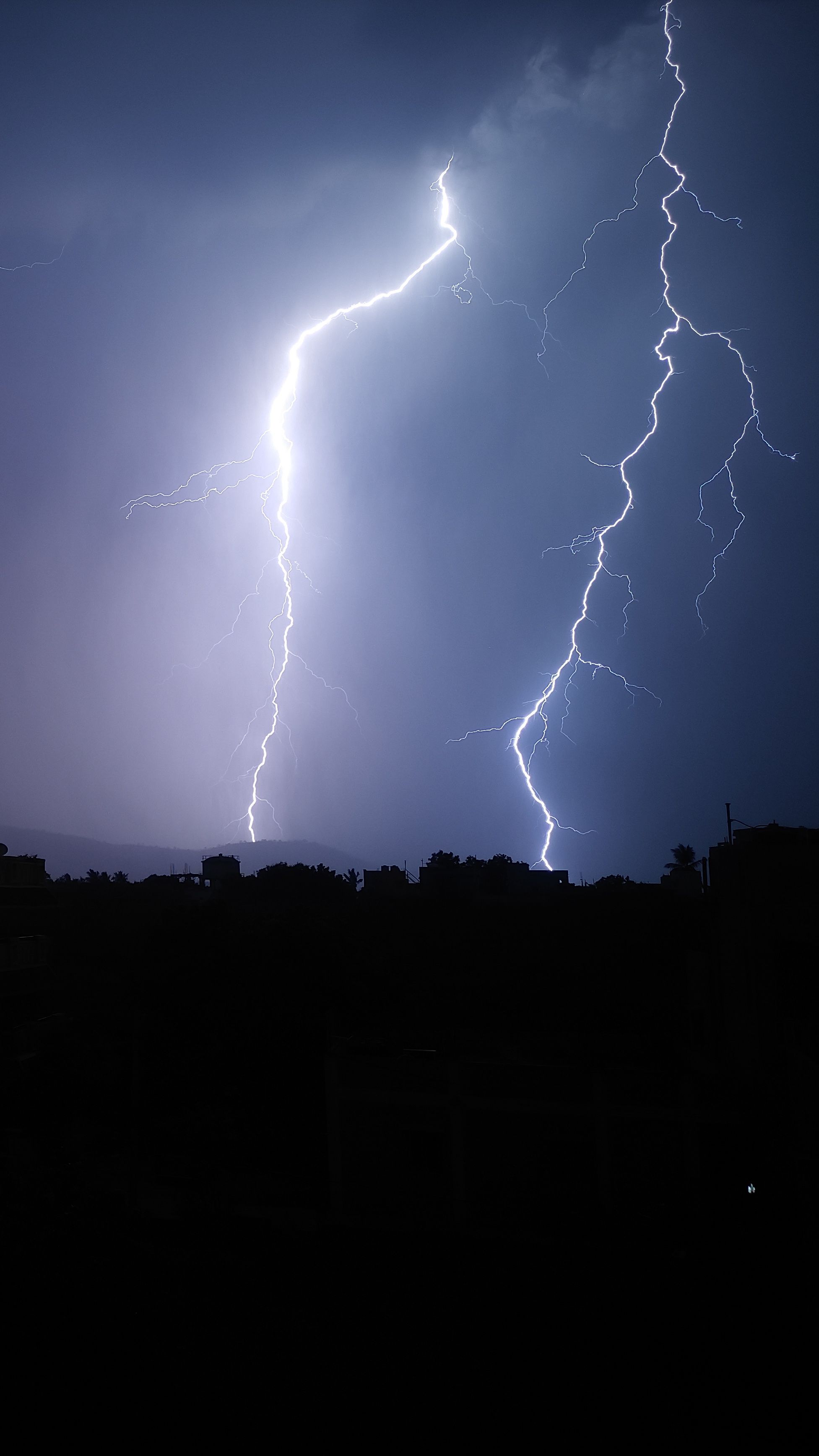
That sharp, clean air is ozone, made the instant lightning splits the sky. FreshLid makes the very same gas, sealed safely inside the machine.
You already know the smell. It is the sharp, clean air right after a thunderstorm. It is also one of the most powerful cleaners on earth.
Ozone is oxygen carrying a third atom it is desperate to give away. That makes it stronger and faster than chlorine. When it meets a germ, that spare atom rips into the cell wall and oxidises it until the cell bursts open. The same attack shreds a virus's coat and breaks apart the molecules behind bad smells, at the source. Then it simply turns back into the oxygen you breathe, leaving nothing behind.
The spare oxygen atom slams into the bacteria's outer wall and oxidises the fats and proteins holding it together.
The wall is punched full of holes, the cell spills open and dies. It is physically destroyed, so it can't build resistance.
Job done, the ozone reverts to ordinary oxygen. No spray, no residue, nothing left sitting on your helmet.
That one extra atom is the whole trick. It is unstable, reactive, and gone in minutes.
Every lightning strike splits the air into ozone. That fresh smell after a storm is the real thing. FreshLid makes the same gas, sealed safely inside the machine.
Ozone isn't new or experimental. Industries have cleaned with it for over a hundred years. Hover any photo to see where you've already met it.

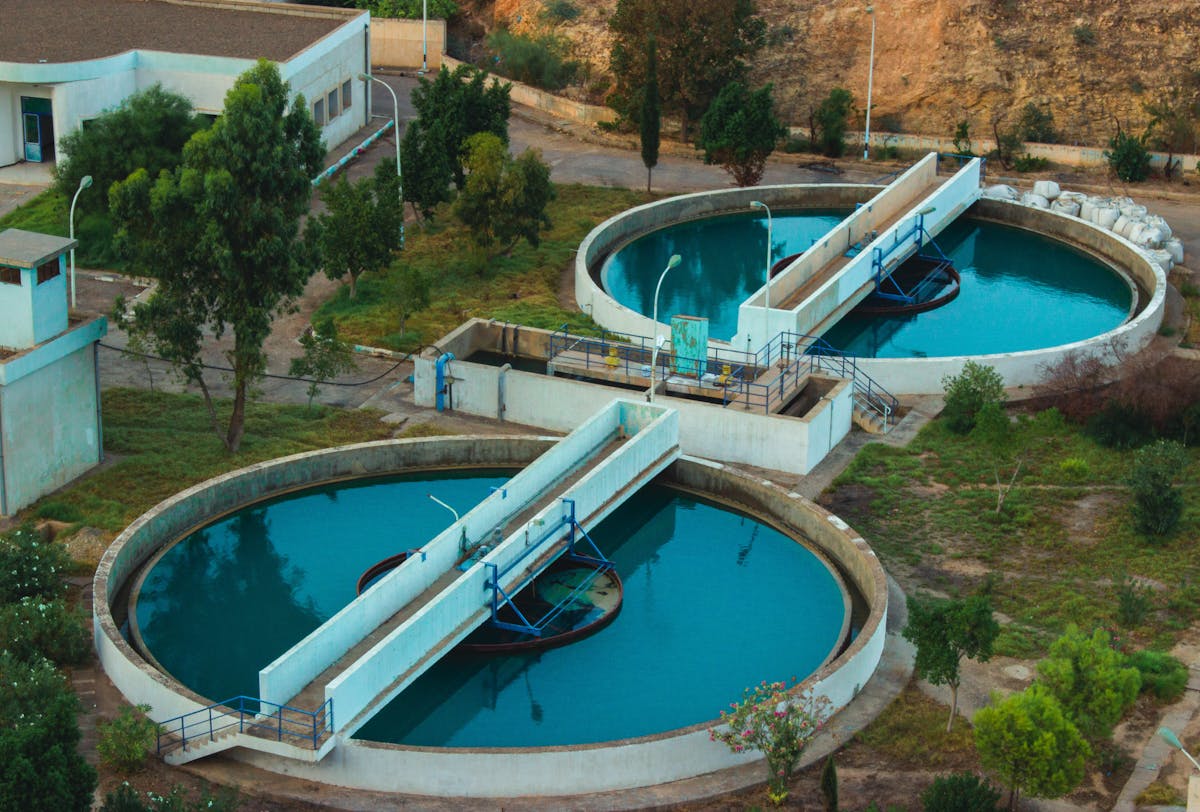
Hundreds of city water plants bubble ozone through your drinking water for clean taste, some since the 1940s.

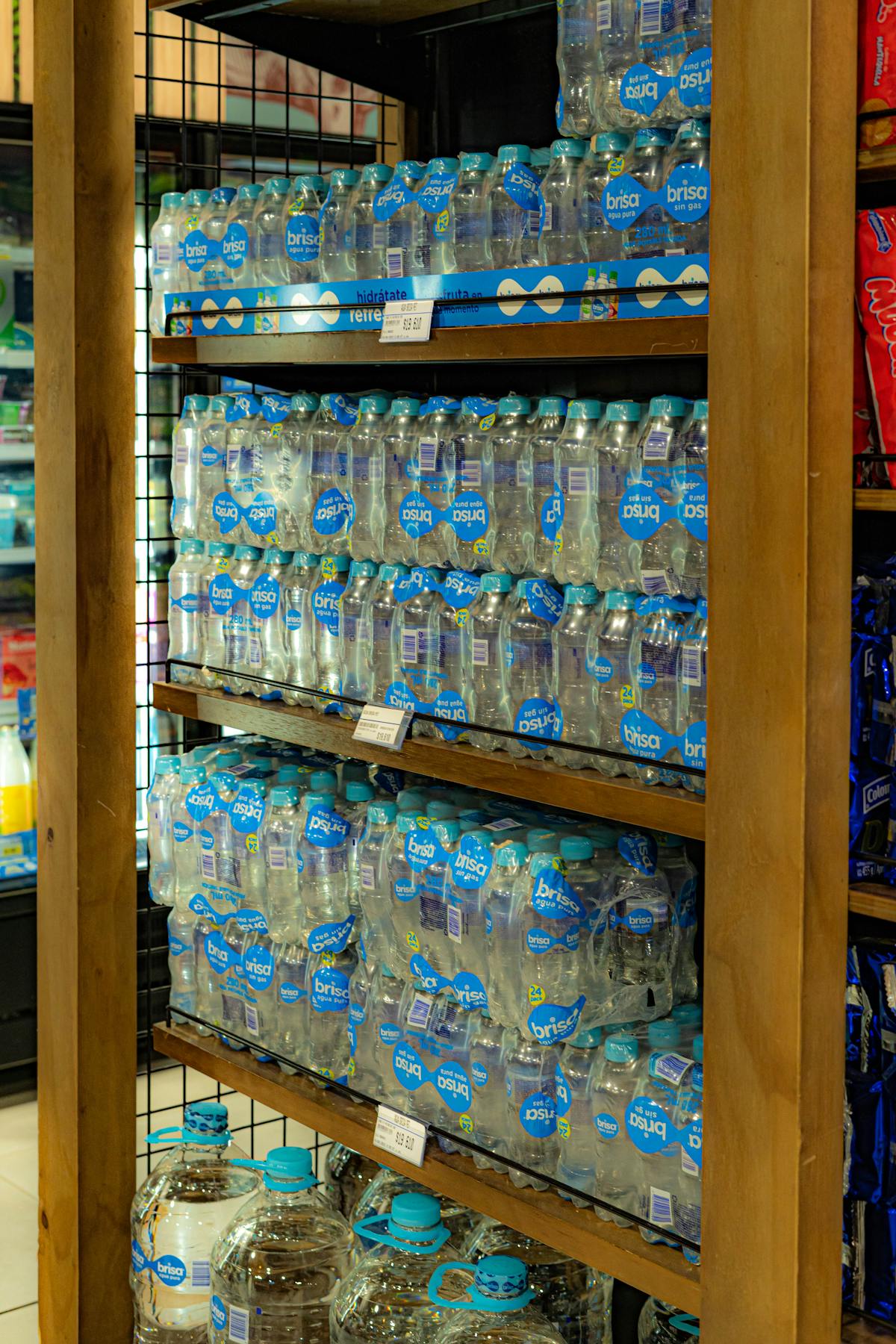
That clean taste and long shelf life? A puff of ozone sanitises the water and bottle right before the cap goes on.

Your bagged salad was likely washed with ozone, not chlorine. The FDA cleared it for food back in 2001.

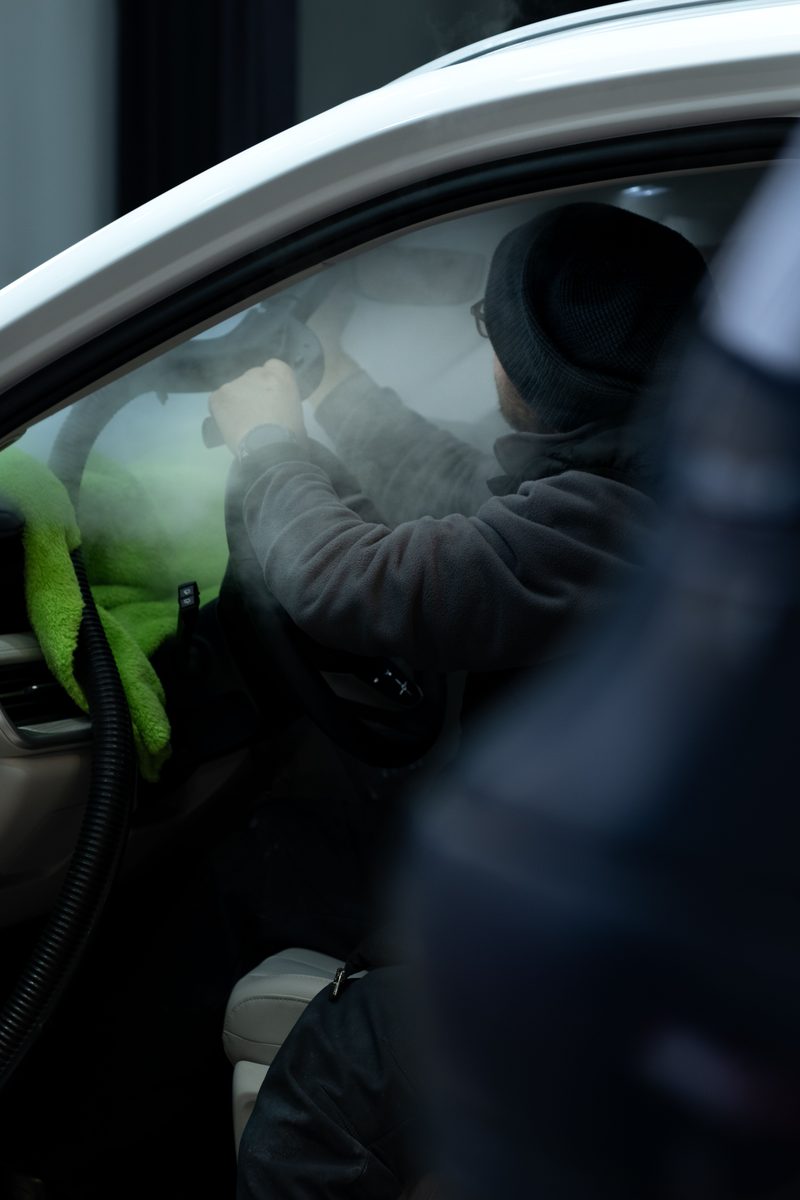
Ever wonder how a detailer got the cigarette smoke or vomit smell out of a used car? An ozone machine, run with the doors shut.

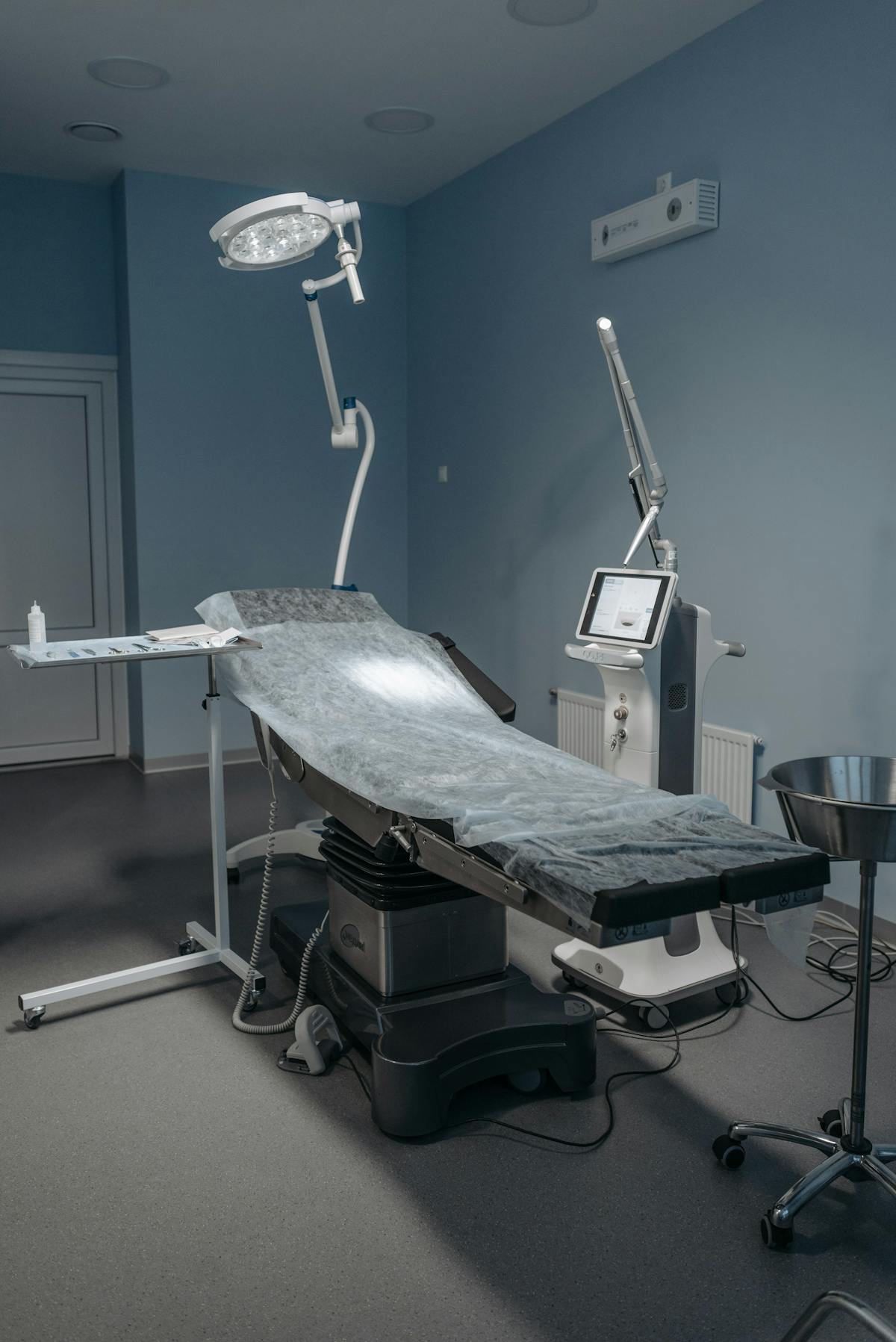
The same gas is used to sanitise ambulances and clinical spaces between uses. Serious settings, serious results.

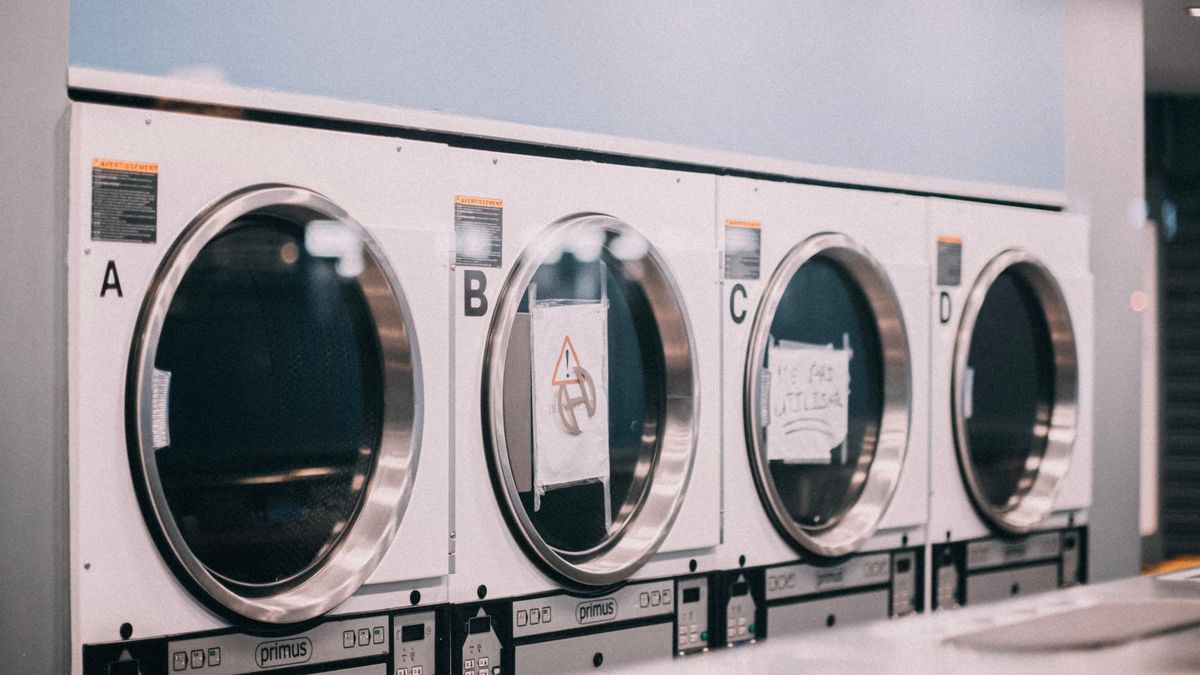
That smoke free room and those crisp sheets? Hotels shock rooms with ozone and wash linen with it in cold water.
Drop your helmet in, tap to pay, grab a coffee. Eight minutes later it's clean, dry and ready to wear.
FreshLid doesn't rely on one trick. Tap a stage to see what's happening inside, or play the whole cycle.
Tap your card, load your helmet, and the door seals itself shut. Locked until the cycle is safely done.
A fine, certified antibacterial fog settles deep into the foam and kills the bacteria a wipe never reaches. No soaking.
UV-C light sweeps every inside surface, sterilising the shell, liner and visor.
Ozone destroys the odour molecules at the source, then breaks back down into plain oxygen.
Warm air dries your lid and a light fresh scent finishes it. The door unlocks, ready to wear straight away.
The googled fear is that cleaners wreck helmets. The truth: the cleaners makers warn against are petrol, solvents and harsh chemicals. FreshLid uses none of them.
The chamber is sealed for the whole cycle. The ozone stays inside, and breaks back into oxygen before the door opens.
Nothing is soaked, scrubbed or taken apart. The exact things helmet makers warn against are the things we don't do.
A short, controlled cycle, designed to clean the liner without harsh exposure to your visor seals or Bluetooth unit.
The antibacterial fog is lab tested against Staphylococcus aureus, Legionella, Candida, even H1N1 and COVID-19.
The machine is built by the original inventor of the helmet washing machine. As with any cleaning, follow your helmet maker's care guide for the visor.


FreshLid machines are rolling out to the shops, cafés and venues riders already love. Feel the difference a properly clean helmet makes.
See it in actionPut a FreshLid in your space. We handle everything, you earn from every wash.